Key takeaways
- Two cold cut miter saws are worth buying: DEWALT's 14-inch DW872 Multi-Cutter and Makita's 12-inch LC1230. Compare blades, motors, capacity and fit here.
Cutting steel tube, angle and channel with an abrasive wheel leaves a hot, burred edge that needs grinding before it fits or welds cleanly. A cold cut saw solves a different problem: its carbide-tipped blade turns slowly, so the cut edge stays cool, the finish is smooth enough to use straight away, and there is no abrasive dust. The real decision is which of the few genuine dry-cut machines still on sale fits the stock you cut most.


Only two cold cut miter saws could be verified as currently on sale on Amazon US: the 14-inch DEWALT DW872 Multi-Cutter and the 12-inch Makita LC1230. Fabricators who regularly section larger tube and rectangle stock will lean toward the DEWALT’s capacity, while smaller shops and garage metalworkers cutting bar, rod and lighter tube will find the Makita’s smaller blade and footprint easier to live with. Both run 15-amp motors and carbide blades, chosen from the names and specifications on their own product pages.
Quick Picks
As an Amazon Associate we earn from qualifying purchases.
| Product | Best for | Key spec from title |
|---|---|---|
| DEWALT Metal Cutting Saw, 14-Inch Steel Blade (DW872 Multi-Cutter) | Larger tube and rectangle stock | 14-inch carbide-tipped blade |
| Makita LC1230 12-Inch Metal Cutting Saw | Smaller shops and lighter profiles | 12-inch carbide-tipped blade (A-90532) |
How to Choose
Blade Diameter Decides Your Cutting Capacity
Blade size is the first filter because it sets the largest profile the saw can section in one pass. The DEWALT’s 14-inch blade gives it a 5-3/16 inch round capacity and room for 4-1/2 by 6-1/2 inch rectangle stock, which covers most structural tube a small fabrication shop handles. The Makita’s 12-inch blade tops out at 4-1/2 inches at 90 degrees, plenty for angle, channel, threaded rod and smaller tube. Measure the biggest profile you cut regularly, not the biggest you can imagine, and buy for that: an oversized saw costs more per blade and takes more bench space than the work justifies.
Low RPM Is the Whole Point of the Type
A cold cut saw is defined by blade speed, not by the shape of the machine. Abrasive chop saws spin several thousand revolutions per minute and grind through steel; these carbide saws turn far slower, the DEWALT at 1,300 RPM and the Makita at 1,700 RPM, so the teeth shear the metal instead of melting through it. That is why the cut edge stays cool enough to handle and why blade choice matters so much. If a listing shows abrasive-wheel speeds, it is not a cold cut saw no matter what the headline calls it, and it will not deliver the clean, cool finish this type exists for.
Miter Range and Vise Clamping
Frames, gates and railings mean angled cuts, so check the miter range and how the vise holds the workpiece before you buy. The DEWALT lists a 45-degree cutting angle, which covers the standard miters used in square-tube frames. Just as important is a vise that clamps thin-wall tube firmly without crushing it and that can be repositioned quickly between repeat cuts. A saw that needs constant shimming or lets stock creep mid-cut wastes the accuracy the carbide blade provides. If most of your work is straight 90-degree cutoffs, capacity and blade speed matter more than miter features, and either saw here will serve.
Blade Supply Over the Saw’s Whole Life
The saw is a one-time purchase; the blade is a recurring one, so check that replacement carbide blades for your exact model are easy to source before committing. The Makita’s blade carries its own part number, A-90532, which makes reordering unambiguous, and the DEWALT uses a standard 14-inch metal-cutting blade size shared across the Multi-Cutter line. Confirm the arbor size and tooth configuration suit the materials you cut, because a blade specified for mild steel will suffer on harder stock. Budget for at least one spare blade: a chipped tooth mid-project should not idle the saw for days.
The 2 Best Options
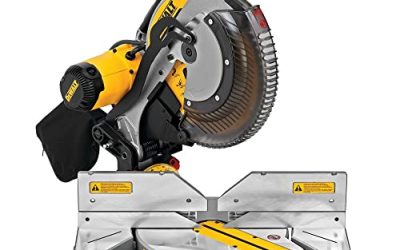
DEWALT Metal Cutting Saw, 14-Inch Steel Blade (DW872 Multi-Cutter)
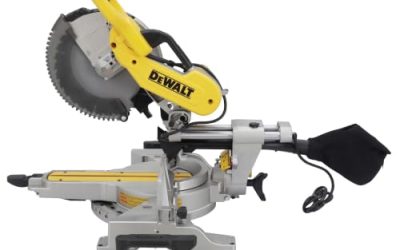
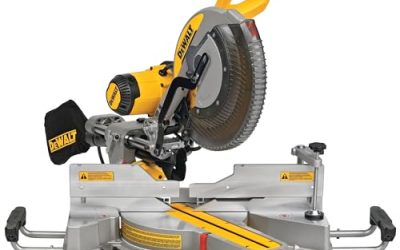
The DW872 is the capacity pick of this pair and the saw most buyers picture for this class. Its 14-inch carbide-tipped blade, driven by a 15-amp, 1,800W motor at 1,300 RPM, sections round stock up to 5-3/16 inches and rectangle stock up to 4-1/2 by 6-1/2 inches, covering the tube and angle sizes that dominate small fabrication work. The listed 45-degree cutting angle handles standard frame miters, and at 55 lb it stays planted under load without being a two-person lift. Choose it if your cutoff work regularly reaches the larger profiles.
Specs
- Blade: 14-inch carbide-tipped steel blade
- Motor: 15-amp, 1,800W
- Speed: 1,300 RPM
- Cutting angle: 45 degrees
- Capacity: 5-3/16 in round, 4-1/2 x 6-1/2 in rectangle
- Weight: 55 lb
Best for: Fabricators cutting larger tube, angle and rectangle stock who want the most capacity in this class.
Watch out for: The DW872 circulates under more than one product code, and an older listing for it shows as unavailable; confirm the live listing is the DW872 Multi-Cutter under the ASIN below before ordering, and check the blade specification on that page rather than relying on figures quoted elsewhere.
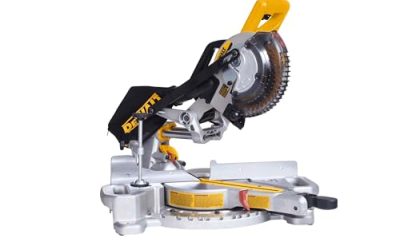
Makita LC1230 12-Inch Metal Cutting Saw
The LC1230 is the compact alternative for shops whose cutting is mostly bar, rod, channel and tube under its 4-1/2 inch capacity at 90 degrees. Its 12-inch carbide-tipped blade, part number A-90532, runs at 1,700 RPM from a 15-amp motor, a touch faster than the DEWALT but still firmly in dry-cut territory, so edges come off cool and clean. The smaller blade also means a smaller footprint on a crowded bench and a clearly identified replacement blade when teeth wear. It ships with a socket wrench and safety goggles. Choose it if your profiles are modest and bench space is tight.
Specs
- Blade: 12-inch carbide-tipped metal-cutting blade (A-90532)
- Motor: 15-amp
- Speed: 1,700 RPM
- Maximum cutting capacity: 4-1/2 in at 90 degrees
- Included: socket wrench and safety goggles
Best for: Smaller shops and garage metalworkers cutting bar, rod and lighter tube who value a compact footprint.
Watch out for: Recent stock reads for this model have been very low, at one point showing only a couple of units left; confirm a live featured offer for the exact ASIN below before ordering, and do not substitute a different Makita saw listing with a similar name.
Which One Fits Your Situation
You Section Larger Tube and Rectangle Stock Every Week
Pick the DEWALT DW872. Its 14-inch blade and 5-3/16 inch round capacity swallow profiles the Makita cannot take in one pass, and the 4-1/2 by 6-1/2 inch rectangle capacity covers the square and rectangular tube that frame and gate work runs on. The 45-degree cutting angle handles your miters, and the machine’s weight keeps it steady when long stock hangs off the vise.
Your Cutting Is Mostly Bar, Rod and Lighter Profiles
Pick the Makita LC1230. Threaded rod, angle, channel and tube within its 4-1/2 inch capacity are exactly its working range, and the 12-inch blade leaves a smaller footprint on the bench between jobs. The blade’s own part number, A-90532, makes reordering the correct replacement simple, which matters when the saw earns its keep on quick, repetitive cutoff work.
You Are Replacing an Abrasive Chop Saw
Either saw will feel like a different category of tool: cool edges, minimal burr and no abrasive dust. Choose by capacity rather than habit. If your abrasive saw’s 14-inch wheel regularly worked near its limit, step to the DW872 so the carbide blade is not forced into the same struggle; if the old saw was oversized for your stock, the LC1230’s smaller blade will cut everything you actually cut with less machine to store.
You Batch-Cut the Same Profile All Day
Both saws suit repeat cutoff work, so decide on the profile size and how often you change angles. The DW872’s listed 45-degree cutting angle and larger vise capacity favour mixed batches of bigger stock with miters in the run. The LC1230 favours long runs of one smaller profile, where its compact size and quick blade changes keep the rhythm going. Either way, a spare blade on the shelf protects the batch schedule.
Common Mistakes
- Buying an abrasive chop saw because the listing uses the words cold cut: if the machine spins an abrasive wheel at several thousand RPM, it is not a dry-cut saw and will not leave a cool, clean edge.
- Ordering the DEWALT under an old or lookalike listing: the DW872 appears under more than one product code and one older listing shows as unavailable, so match the model name and the ASIN, not just the headline.
- Forcing the blade through the cut: carbide teeth shear best at a steady, moderate feed; leaning on the handle overheats teeth, chips edges and shortens blade life dramatically.
- Fitting a wood or general-purpose blade to save money: metal-cutting carbide blades are ground and rated for steel; the wrong blade gives ragged cuts and can shed teeth under load.
- Judging capacity by the 90-degree figure alone: angled cuts reduce usable capacity, so a profile that fits square may not fit at 45 degrees; check your mitered work against the saw’s real limits.
Frequently Asked Questions
What makes a cold cut saw different from an abrasive chop saw?
The blade and the speed. A cold cut saw runs a carbide-tipped blade at low speed, 1,300 to 1,700 RPM in the two saws here, so the teeth shear metal and the cut edge stays cool with minimal burr. An abrasive chop saw grinds through with a fibre wheel at much higher speed, leaving heat discoloration, sparks and an edge that usually needs dressing before use.
Why does this roundup list only two saws?
Because the genuine cold cut class is thin on Amazon US. Several dry-cut models from other makers could not be verified as currently on sale there with a confirmed listing, and padding the list with abrasive chop saws would mix two different tool types, which this roundup refuses to do. The DEWALT DW872 and Makita LC1230 are the two machines that passed the availability check.
Can these saws cut stainless steel and harder metals?
That depends on the blade fitted, not the saw badge. Both machines are built for metal cutting, but carbide blades are specified by material, and a blade supplied for mild steel will wear quickly on stainless or hardened stock. Check the replacement blade’s stated material rating for your exact saw model, slow your feed rate on harder metals, and expect shorter blade life than on mild steel.
How do I know when the carbide blade needs replacing?
Watch the cut, not the calendar. A sharp carbide blade produces a smooth, cool edge with steady feed pressure; a worn one demands more force, leaves heavier burrs, discolours the edge with heat and may start to chatter or wander. Inspect teeth for chips after any jam or dropped workpiece. Replacing a tired blade restores the saw’s accuracy and is cheaper than the ruined stock a bad blade causes.