Key takeaways
- Compare the best 12 inch slide saws for trim, framing and furniture work, covering bevel range, slide systems, cut guides and dust collection in detail.
A 12 inch slide saw — a sliding compound miter saw with a 12-inch blade — is the tool that turns wide boards, deep crown molding and thick framing lumber into single-pass cuts instead of flipped, second-pass work. The sliding rail is what separates it from a fixed chop-style miter saw: the blade carriage travels toward you, so crosscut capacity grows well beyond what the blade diameter alone suggests. The trade-off is size and weight. These are bench tools that want a dedicated stand or a permanent spot in the shop, and the four models in this guide differ most in how they manage that footprint, how they guide your cut line, and how they handle bevel work.


This guide is for carpenters, remodelers and serious home woodworkers choosing among full-size corded sliders. Every product below is a 12-inch double bevel sliding compound miter saw sold on Amazon US, and every specification comes from the product’s Amazon listing — model numbers, motors, slide systems and included accessories are stated exactly as the listings present them. Use the Quick Picks table to narrow the field, then read the How to Choose section to understand which differences actually matter for the work you do.
Quick Picks
| Product | Best for | Key spec |
|---|---|---|
| DEWALT DWS780 12-Inch Double Bevel Sliding Compound Miter Saw | Guided cuts with a visible cut line | XPS LED shadow light system |
| DEWALT DWS779 12 Inch Double Bevel Sliding Compound Miter Saw | Straightforward heavy cutting | 15 amp motor at 3,800 RPM |
| BOSCH GCM12SD 12 Inch Dual-Bevel Sliding Glide Miter Saw | Tight shops and wall-adjacent benches | Patented Axial-Glide system |
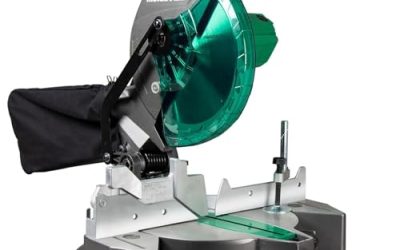
| Makita LS1219L 12-Inch Dual-Bevel Sliding Compound Miter Saw | Wide crosscuts in a compact footprint | 2-steel rail sliding system, 15-inch crosscut at 90 degrees |
How to Choose
Slide system and bench footprint
The slide mechanism decides both how wide the saw can cut and how much room it needs behind the bench. Traditional rail sliders, like the two DEWALT models here, carry the blade on round rails that extend behind the saw as you pull the carriage forward, so the bench needs clear space at the back. The Bosch GCM12SD replaces rails with a patented Axial-Glide linkage that folds rather than extends, and the listing notes it works flush against a wall. Makita’s LS1219L takes a third approach with a unique 2-steel rail sliding system and a reduced footprint that also allows operation flush against a wall. If your saw lives against a shop wall or in a van, the glide and rail designs save real space; if you have an open bench, any of the three systems cuts the same width of stock.
Bevel and miter range
All four saws in this guide are double bevel (also listed as dual bevel) models, which means the head tilts both left and right. That matters more than it first appears: with a single bevel saw, cutting crown molding or baseboard in the opposite direction means flipping the workpiece end for end, which is slow and error-prone on long trim. A double bevel head lets you keep the board oriented the same way and simply tilt the head the other direction. Miter range is the second half of the equation. The Bosch listing specifies a miter range of 52 degrees left and 60 degrees right, which covers the steep angles that show up in out-of-square corners and specialty joinery. When you compare saws, look at the bevel direction first and the miter extremes second, because both decide how often you have to reposition work instead of the tool.
Cut line guides
A cut guide shows you exactly where the blade will land before you start the motor, and the four saws here split into two camps. The DEWALT DWS780 uses an XPS LED shadow light system, which casts the blade’s own shadow onto the workpiece — the line you see is the blade itself, so it stays accurate regardless of blade thickness and needs no calibration. The Makita LS1219L uses a laser guide, which projects a line beside the blade; lasers are quick to read in bright shops but can need adjustment to sit exactly on the cut. The DWS779 and the Bosch GCM12SD listings do not specify an LED or laser guide, so on those saws you rely on the traditional method of lowering the unpowered blade to the mark. None of these approaches changes the cut itself — they change how fast and how confidently you line up to your pencil mark.
Motor, blade and what is in the box
Every saw in this guide runs a 15 amp corded motor, and the DWS779 listing specifies 3,800 RPM. On a 12-inch blade, a 15 amp motor is the standard for this class and handles dimensional lumber, hardwood and trim without the bogging you get from smaller saws. What differs is the blade and hardware included. The Bosch ships with a 60-tooth saw blade, and the Makita includes a 60-tooth carbide blade — finer tooth counts like these leave a cleaner edge on trim and molding than a coarse framing blade. The DWS780’s listing spells out its kit: a carbide blade, blade wrench, dust bag and a vertical material clamp. A clamp is worth noticing, because holding stock firmly against the fence is what keeps long cuts square and keeps your free hand away from the blade path. Check the includes list on any saw you consider; a clamp and dust bag are small items that are easy to overlook and annoying to buy separately.
The 4 Best Options
DEWALT DWS780
The DEWALT DWS780 is the guide-equipped model in DEWALT’s 12-inch sliding lineup. Its defining feature is the XPS LED shadow light system: instead of projecting a laser line that sits beside the blade, it shines an LED across the blade so the blade’s shadow falls on your workpiece, marking the exact kerf on either side. For trim carpenters who cut to a pencil line all day, that shadow is the fastest alignment check in this group.
The rest of the package is a full double bevel sliding compound design with the practical extras listed right in the box contents. The listing includes a carbide blade, blade wrench, dust bag and a vertical material clamp, so the saw arrives ready to hold work and manage at least some of its own dust. If your priority is lining up cuts quickly and repeatably, this is the model in the guide built around that job.
Specs
- Brand: DEWALT
- Model Number: DWS780
- Blade: 12 inch
- Bevel: Double bevel sliding compound
- Cut guide: XPS LED shadow light system
- Includes: Carbide blade, blade wrench, dust bag, vertical material clamp
Best for: Trim and finish work where seeing the exact cut line before the blade spins saves time and material.
Watch out for: The shadow light depends on the LED staying clean and unobstructed; in a dusty shop you will wipe it down periodically to keep the line crisp.
DEWALT DWS779
The DEWALT DWS779 is the plainer sibling in this pair — a 12 inch double bevel sliding compound miter saw built around a 15 amp motor turning at 3,800 RPM, with a blade wrench and clamp in the box. Where the DWS780 leads with its shadow light, the DWS779 listing leads with capacity and power, noting that the saw cuts 2×14 lumber at 90 degrees.
That 2×14 figure is the practical headline for framing and deck work: a sliding 12-inch saw that swallows a 2×14 in one pass handles joists, stair stringers and wide shelving stock without flipping the board. The double bevel head still tilts both ways for trim work, and the included clamp keeps long stock registered against the fence. If you do not need an LED or laser guide and would rather put the budget into cutting capacity, this is the straightforward choice in the guide.
Specs
- Brand: DEWALT
- Model Number: DWS779
- Blade: 12 inch
- Motor: 15 amp, 3,800 RPM
- Bevel: Double bevel sliding compound
- Crosscut: Cuts 2×14 lumber at 90 degrees per listing coverage
- Includes: Blade wrench and clamp
Best for: Framing, decking and general construction cutting where one-pass capacity on wide lumber matters most.
Watch out for: The listing does not specify an LED shadow light or laser guide, so you will align cuts by lowering the blade to your mark — accurate, but slower on repetitive trim work.
BOSCH GCM12SD

The BOSCH GCM12SD solves the sliding saw’s oldest problem: the rails. Its patented Axial-Glide system replaces the long rear-extending rails with a hinged linkage, so the carriage glides forward without the saw needing clearance behind it. The listing states plainly that the design is space-saving and works flush against a wall, which makes this the natural pick for a saw that lives on a bench against a shop wall or in a tight garage.
The rest of the specification is full-size: a 15 amp corded motor, a dual bevel head, and a miter range of 52 degrees left and 60 degrees right per the listing — the widest right-hand miter figure in this guide. It also ships with a 60-tooth saw blade, a finer blade suited to cleaner cuts on trim and hardwood. For woodworkers whose constraint is space rather than capacity, the glide system is the reason this saw exists.
Specs
- Brand: Bosch
- Model Number: GCM12SD
- Blade: 12 inch, 60-tooth blade included
- Motor: 15 amp corded
- Slide system: Patented Axial-Glide system; space-saving, works flush against a wall
- Bevel: Dual bevel
- Miter range: 52 degrees left / 60 degrees right per listing coverage
Best for: Small shops and fixed benches against a wall, where a conventional rail slider simply would not fit.
Watch out for: The glide linkage is a more complex mechanism than plain rails; keep the joints clean and follow the manual’s adjustment checks so the carriage keeps tracking smoothly.
Makita LS1219L

The Makita LS1219L pairs a 15 amp direct-drive motor with a unique 2-steel rail sliding system. Direct drive means the motor connects to the blade without a belt, which Makita’s design uses to keep the saw’s depth compact; the listing notes the reduced footprint allows operation flush against a wall, putting it in the same space-saving camp as the Bosch glide saw but with a rail mechanism.
Capacity is the other headline: the listing specifies a 15-inch crosscut at 90 degrees, the widest figure stated in this guide. A laser guide marks the cut line, and the saw includes a 60-tooth carbide blade for a clean factory edge on trim and furniture stock. If you want the widest stated crosscut in the group and a footprint that still fits against a wall, this is the combination the LS1219L is built around.
Specs
- Brand: Makita
- Model Number: LS1219L
- Blade: 12 inch, 60-tooth carbide blade included
- Motor: 15 amp direct-drive
- Slide system: Unique 2-steel rail sliding system; reduced footprint allows operation flush against a wall
- Cut guide: Laser
- Crosscut: 15-inch crosscut at 90 degrees per listing coverage
Best for: Wide crosscuts on shelving, panels and furniture stock, especially on a bench placed against a wall.
Watch out for: A laser line can drift out of alignment over time and after transport; check it against a test cut before precision work rather than trusting it blindly.
Which One Fits Your Situation
You cut trim and crown to a pencil line all day
Pick the DEWALT DWS780. The XPS shadow light shows the blade’s actual kerf on the work, the double bevel head tilts either way so long trim stays put, and the included vertical clamp holds stock while you work.
You frame, deck and cut wide dimensional lumber
Pick the DEWALT DWS779. Its listing leads with cutting 2×14 lumber at 90 degrees, the 15 amp motor runs at 3,800 RPM, and the package stays simple — blade wrench and clamp included, no guide system to maintain.
Your saw bench sits against a wall
Pick the BOSCH GCM12SD or the Makita LS1219L. The Bosch Axial-Glide system folds instead of extending rails, and Makita’s 2-steel rail design has a reduced footprint; both listings state the saws work flush against a wall. Choose the Bosch for its 60-degree right miter range, or the Makita for its 15-inch stated crosscut and laser.
You want the widest single-pass crosscut
Pick the Makita LS1219L. Its 15-inch crosscut at 90 degrees is the widest figure in this guide, and the included 60-tooth carbide blade suits the shelving and furniture panels that usually need that width.
Common Mistakes
- Buying a slider for a bench with no rear clearance. Conventional rail saws need space behind them for the rails; if your bench is against a wall, choose a glide or reduced-footprint model instead of discovering the problem at setup.
- Ignoring bevel direction. A single bevel habit carried over to a double bevel saw wastes the tool’s main advantage. Tilt the head rather than flipping long trim end for end.
- Trusting a guide without a test cut. Shadow lights stay true, but laser lines can drift. Make one test cut on scrap and compare it with your mark before cutting finished stock.
- Cutting wide stock without the clamp. Long boards creep under blade pressure. Use the included clamp — the DWS780 ships with a vertical material clamp — so the piece stays registered against the fence.
- Judging a saw by blade diameter alone. Crosscut capacity comes from the slide travel, not just the 12-inch blade. Compare the stated crosscut figures, such as the Makita’s 15-inch crosscut, against the widest stock you actually cut.
Frequently Asked Questions
What does a 12 inch slide saw cut that a non-sliding miter saw cannot?
Width. A fixed 12-inch miter saw is limited by how far the blade reaches across the board, while the sliding carriage travels, extending the crosscut substantially — the Makita in this guide is listed with a 15-inch crosscut at 90 degrees, and the DEWALT DWS779 is listed as cutting 2×14 lumber in one pass.
Is double bevel worth it over single bevel?
For trim, crown and baseboard, yes. A double bevel head tilts both left and right, so you keep the workpiece in one orientation and tilt the head instead of flipping long boards. All four saws in this guide are double bevel models.
Shadow light or laser — which cut guide is better?
They solve the same problem differently. The DWS780’s XPS system casts the blade’s own shadow, so the line always matches the blade. The Makita’s laser projects a line that is easy to see but may need occasional adjustment. Neither changes cut quality; both speed up alignment.
Can these saws really sit flush against a wall?
Two of them are listed that way. The Bosch GCM12SD’s Axial-Glide system and the Makita LS1219L’s 2-steel rail system are both described in their listings as space-saving designs that work flush against a wall, unlike conventional rail sliders that need rear clearance.
Related Guides
- Best miter saws for homeowners
- Best 10 inch miter saws
- Best miter saw stands
As an Amazon Associate, we earn from qualifying purchases.