Our Short List of 3

- Best for: Families who want one proven three-burner grill for weeknight dinners and weekend cookouts.
- Model: 45010001
- Fuel type: Liquid propane
- Main burners: 3 stainless steel burners
- Heat output: 30,000 BTU per hour input

- Best for: Hosts cooking large batches who also want a side burner for sauces and sides.
- Model: 463351021
- Fuel type: Propane gas
- Main burners: 4
- Main burner output: 32,000 BTU
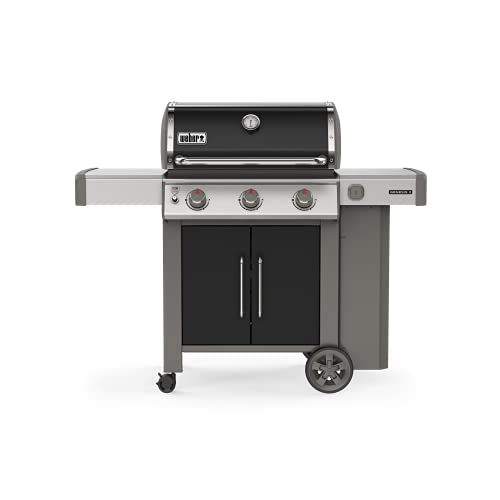
- Best for: Frequent cooks who want cabinet storage and the most main-grate room in this group.
- Model: 61015001
- Fuel type: Liquid propane
- Main burners: 3
- Heat output: 39,000 BTU per hour
All 4 Picks at a Glance
| Product | Specs | Action |
|---|---|---|
| Weber Spirit II E-310 |
| Check price on Amazon |
| Char-Broil Performance 4-Burner Cart |
| Check price on Amazon |
| Weber Genesis II E-315 |
| Check price on Amazon |
 Napoleon Rogue PRO-S 425 |
| Check price on Amazon |
Key takeaways
- Compare four LP gas grills for patios of every size, with burner counts, cooking areas, grate materials, side burners and tank hookup details.
Choosing an LP gas grill comes down to one practical decision: how much grate space and how many heat zones your household actually uses each week. A couple grilling twice a week needs a different machine from a family cooking for six every night, and nearly every model here also exists as a natural gas twin with an almost identical name, so confirming the liquid propane build on the listing matters before anything else.
The four picks below cover the main buyer groups: compact carts for small patios, a roomy four-burner cart for batch cooking, a cabinet model for frequent cooks, and an infrared-equipped grill for searing and rotisserie work. Each one was chosen from the burners, cooking area, grate material and fuel type printed in its name and specifications on the Amazon product page.
Quick Picks
As an Amazon Associate we earn from qualifying purchases.
| Product | Best for | Key spec from title |
|---|---|---|
| Weber Spirit II E-310 | Everyday family grilling | 3 burners, 529 sq in total cooking area |
| Char-Broil Performance 4-Burner Cart | Big batches plus a side burner | 4 burners and a 10,000 BTU side burner |
| Weber Genesis II E-315 | Frequent cooks wanting a cabinet | 513 sq in primary grate, 39,000 BTU |
| Napoleon Rogue PRO-S 425 | Searing and rotisserie cooking | Infrared side and rear burners |
How to Choose
Burner Count and Heat Zones
Burner count decides how many temperature zones you can run at once, which matters more than raw heat figures. Two burners give you a hot side and a cooler side, enough for a couple or a small family. Three burners add a middle zone for holding finished food away from direct flame, and four burners let you sear on one end while vegetables cook gently on the other. Match the count to the number of different foods you usually cook in a single session, not to the biggest party you might host once a year.
Cooking Area That Matches Your Crowd
Manufacturers quote total cooking area, which folds the warming rack into the headline number, so compare primary grate area when you shop. Roughly 350 to 450 square inches of main grate handles burgers and chicken pieces for four to six people in one batch. Above 500 square inches, a full pack of sausages, corn and peppers fits without crowding, and crowding is what steams food instead of browning it. A warming rack earns its space when you cook in stages, since it holds buns and finished pieces above the flame without further cooking them.
Grates, Burners and Build Materials
Porcelain-enameled cast iron grates hold heat well and leave strong sear marks, and the coating guards the iron against rust when the grill lives outdoors. Stainless steel rod grates heat up fast and shrug off scrubbing, which suits cooks who grill several nights a week. Burner material matters just as much: stainless steel burner tubes resist the moisture and drippings that corrode cheaper tubes from the inside. A porcelain-enameled lid and cookbox keep the outside from peeling, while painted steel lids on entry models need a cover and gentler handling to stay presentable.
Fuel Hookup and Cart Layout
Every grill here runs on a standard 20 lb liquid propane tank, and the tank is not part of the purchase, so budget a separate trip for a filled tank or an exchange. The regulator and hose come in the box and connect by hand, followed by a soapy-water leak check on the fittings. Cart layout shapes daily use: open carts keep the tank visible and easy to swap, while enclosed cabinets hide the tank and store tools. Folding side tables shrink the footprint for storage, and two large wheels matter if you roll the grill across grass or pavers.
The 4 Best Options
Weber Spirit II E-310
- Best for: Families who want one proven three-burner grill for weeknight dinners and weekend cookouts.
- Model: 45010001
- Fuel type: Liquid propane
- Main burners: 3 stainless steel burners
- Heat output: 30,000 BTU per hour input
Families who want one proven three-burner grill for weeknight dinners and weekend cookouts.
There is no side burner, so sauces and side dishes need the kitchen stove or a separate burner.
The Spirit II E-310 is the middle path of this group: three burners and a family-size grate on an open cart that still fits a modest patio. Its GS4 system groups the ignition, burners, Flavorizer bars and grease handling into one design, so lighting is consistent and cleanup stays simple. A fuel gauge on the tank hook removes the guesswork before a cookout, and the porcelain-enameled cast iron grates hold heat evenly across the surface. Households of three to six who grill several nights a week will find this the easiest pick to live with.
Watch out for: There is no side burner, so sauces and side dishes need the kitchen stove or a separate burner.
Char-Broil Performance 4-Burner Cart
- Best for: Hosts cooking large batches who also want a side burner for sauces and sides.
- Model: 463351021
- Fuel type: Propane gas
- Main burners: 4
- Main burner output: 32,000 BTU
Hosts cooking large batches who also want a side burner for sauces and sides.
The cart frame and shelves use more painted steel than the Weber picks, so a cover is a wise addition for outdoor storage.
This Char-Broil is the batch-cooking pick, with four main burners spread under the widest primary grate in this group and a lidded side burner for beans, sauces or a skillet of onions. The porcelain-coated cast iron grates keep heat steady across the surface, and electronic ignition lights the burners without matches. Gear Trax enabled side shelves accept hooks and holders for tools, and the included Chef’s Delite tray handles small items that would slip through the grates. It suits hosts who cook for a crowd and want sides handled outdoors at the same time.
Watch out for: The cart frame and shelves use more painted steel than the Weber picks, so a cover is a wise addition for outdoor storage.
Weber Genesis II E-315
- Best for: Frequent cooks who want cabinet storage and the most main-grate room in this group.
- Model: 61015001
- Fuel type: Liquid propane
- Main burners: 3
- Heat output: 39,000 BTU per hour
Frequent cooks who want cabinet storage and the most main-grate room in this group.
It is the heaviest and widest pick here, so measure your patio spot and gate width before ordering.
The Genesis II E-315 steps up in size and structure, pairing three burners with the largest primary grate here and an enclosed cabinet that hides the tank and stores tools out of sight. The GS4 high performance system feeds porcelain-enameled cast iron grates, and the tuck-away warming rack folds up when a tall roast needs the room below. It is iGrill 3 ready, so a Bluetooth thermometer probe can be added later. Cooks who grill year-round and entertain often get the most from the extra space and the sturdier cart.
Watch out for: It is the heaviest and widest pick here, so measure your patio spot and gate width before ordering.
Napoleon Rogue PRO-S 425
- Best for: Cooks who want infrared searing and rotisserie cooking in a mid-size footprint.
- Model: RPS425RSIBPSS-2
- Fuel type: Propane
- Main burners: 3 stainless steel
- Side burner: 1 infrared sear burner
Cooks who want infrared searing and rotisserie cooking in a mid-size footprint.
Confirm the listing shows the propane build of this model, since a natural gas version carries a closely related model number.
The Rogue PRO-S 425 is built for cooks who sear hard and use a rotisserie. Three main burners cover the stainless steel WAVE cooking grids, while an infrared side burner gives a focused high-heat station for steaks and an infrared rear burner handles rotisserie work. The JETFIRE ignition lights each burner with a jet of flame, and the ACCU-PROBE gauge in the lid reads the chamber temperature. Stainless construction throughout suits exposed patios, and the compact 425-class footprint keeps it workable on smaller decks where its searing hardware would normally not fit.
Watch out for: Confirm the listing shows the propane build of this model, since a natural gas version carries a closely related model number.
Which One Fits Your Situation
A Couple on a Small Patio
Two people grilling a few nights a week rarely need more than three burners, and the Spirit II E-310 covers that pattern without swallowing the patio. Its open cart rolls easily, the side table folds down for storage, and the fuel gauge warns you before an empty tank interrupts dinner. The Char-Broil cart also fits, but its wider frame earns its keep only when you cook for guests often.
A Family Grilling Several Nights a Week
Regular use rewards durable grates and simple grease handling more than extra burners. The Genesis II E-315 gives a family the largest main grate here, a cabinet that keeps tools and the tank out of sight, and a warming rack for staging food as it finishes. The Spirit II E-310 remains the lighter, simpler alternative if your patio cannot take the Genesis footprint.
Weekend Crowds and Batch Cooking
When the guest list grows, grate width and a side burner decide how smoothly the cook goes. The Char-Broil Performance spreads four burners across its grate and keeps sauces or sides moving on the lidded side burner, so the main surface stays free for meat and vegetables. Its warming rack holds finished batches while the next round cooks, which keeps hot food coming without reheating.
Searing Steaks and Rotisserie Nights
High, focused heat is the Rogue PRO-S 425’s reason to exist. The infrared side burner sears steaks while the main grates handle the rest of the meal, and the infrared rear burner turns a rotisserie chicken evenly without flare-ups. If your cooking leans toward thick cuts and whole birds, this is the pick shaped around that habit rather than around maximum grate area.
Common Mistakes
- Ordering the natural gas twin by mistake: many models sell in both fuel builds under near-identical names, so check the fuel line in the listing title and model number before you buy.
- Counting the warming rack as main cooking space: headline totals include the rack, so compare primary grate area when you judge how much food fits at once.
- Forgetting the tank: LP grills ship without a propane tank, and the first cook waits until you buy or exchange a filled 20 lb tank.
- Skipping the leak check: after connecting the regulator, brush soapy water on the fittings and watch for bubbles before the first lighting.
- Leaving porcelain-coated grates wet after washing: dry them fully and oil them lightly, or moisture trapped under food residue will work on the coating over time.
Frequently Asked Questions
Does an LP gas grill include the propane tank?
No. The grills in this guide connect to a standard 20 lb liquid propane tank, and the tank is bought or exchanged separately. The regulator and hose are included in the box. Before the first cook, connect the regulator by hand, open the tank valve slowly, and check the fittings with soapy water to confirm there are no leaks.
Can I run one of these grills on natural gas instead?
Not as shipped. Liquid propane and natural gas models use different burner orifices and regulators, and each grill here is built for one fuel only. If your patio has a gas line, order the natural gas build of the same model where one exists, and match the model number on the listing to the fuel you plan to use.
How many burners does a family of five need?
Three burners cover most family cooking, giving you a searing zone, a moderate zone and a cooler holding zone in one session. Four burners help when you regularly cook two different foods at two temperatures for a crowd. Beyond burner count, check the primary grate area: around 425 to 515 square inches keeps a family meal in a single batch.
How long does a 20 lb propane tank last on these grills?
A 20 lb tank holds roughly 430,000 BTU of fuel, so a three-burner grill running all burners near full output uses it in about eleven to fourteen hours of cooking. Real use mixes high searing with lower holding heat, which stretches a tank across several weeks of family dinners. A fuel gauge, fitted to the Weber picks here, removes most of the guesswork.